Case study
Stop the revenue leak without punishing genuine drivers.
Two targeted product changes that recovered 95% of a £5m a year revenue loss from unpaid charging on Pod Point's public network.
The problem to solve
As the product manager responsible for Pod Point’s public charging network, I analysed charging and payment data to understand where revenue was being lost. The analysis showed unpaid charging was costing the business around £5m a year and increasing, driven by two loopholes in how sessions were authorised.
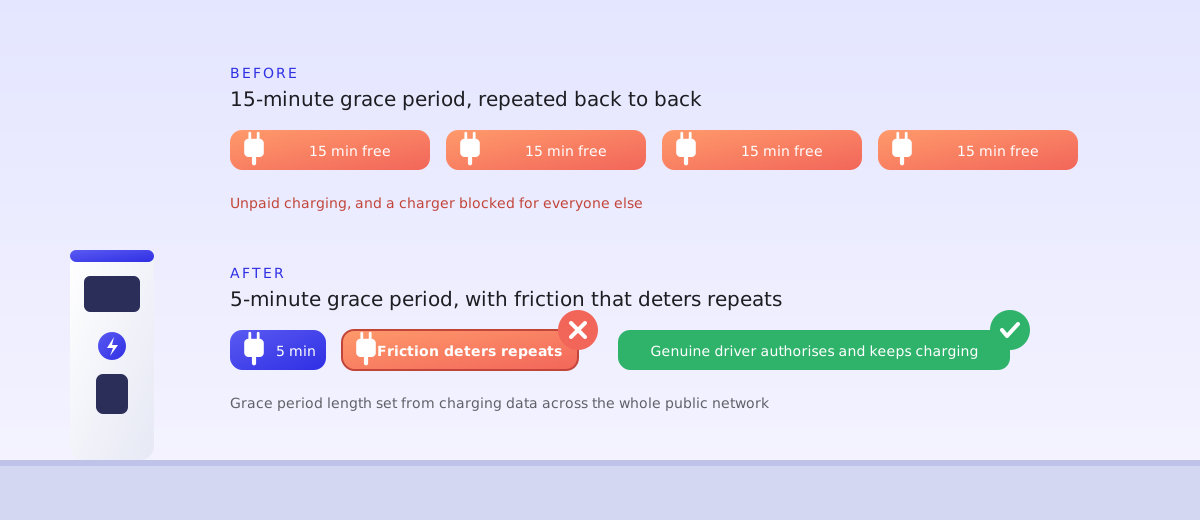
AC chargers: the grace period. After plugging in, a car would charge for 15 minutes to give the driver time to authorise the session in their account. Some drivers deliberately unplugged and plugged back in, again and again, to charge for free. That also blocked the charger for everyone else.
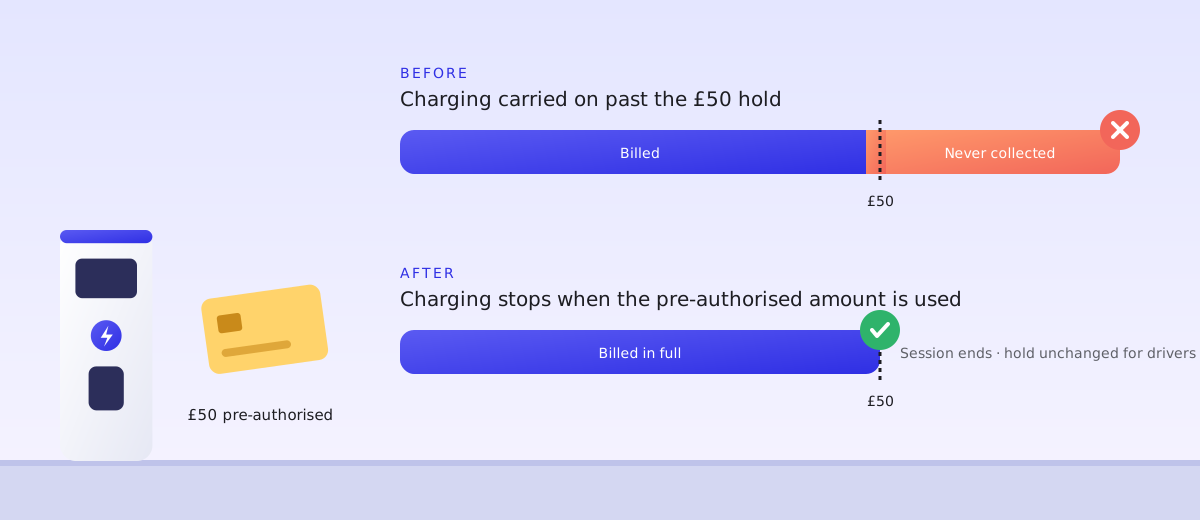
DC rapid chargers: the pre-authorisation. A rapid charge pre-authorised £50 on the driver’s bank card, but the car kept charging after the session cost more than £50. Anything above the hold was never collected.
The decision
Neither loophole could simply be shut. Removing the grace period would hurt genuine drivers who need a moment to start a session. Raising the pre-authorisation amount would tie up more of every honest driver’s money and drive up customer service calls.
I pitched a different approach: add just enough friction to stop misuse, while keeping charging easy for everyone paying their way.
How I approached it
I led the rollout of two targeted changes.
Grace period. We ran a large data exercise across the whole public charging network to find the shortest grace period that still worked for genuine drivers. We cut it from 15 minutes to 5, and the platform now detects repeat unauthorised sessions on a charger and blocks further charging.
Rapid charging. We changed the DC charging process so a session stops once the pre-authorised amount is spent. Drivers see the same £50 hold as before, and every pound charged is now billed.
What changed
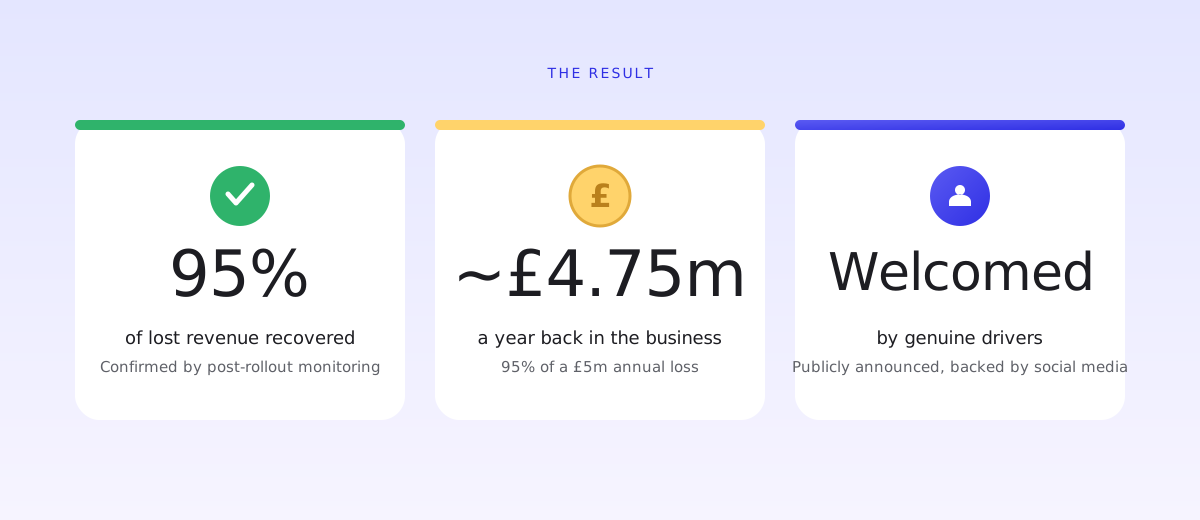
- 95% of the lost revenue recovered. After rollout I monitored the data and confirmed the return on investment: around £4.75m a year of a £5m annual loss came back into the business.
- Two targeted changes, not a rebuild. A shorter grace period with repeat detection, and rapid charging capped at the pre-authorised amount, closed both loopholes without new hardware.
- Genuine drivers on side. The £50 card hold stayed the same, and Pod Point announced the changes publicly with a social media campaign. Drivers welcomed action against people blocking chargers without paying.
- Chargers freed up for paying drivers. Ending back-to-back free sessions meant fewer chargers tied up by people who weren’t paying.